

Whoa! That first time I connected a browser wallet to a Solana app felt oddly like stepping into a new coffee shop where you immediately love the playlist. My instinct said “this will be fast” and honestly it was—transactions zipped through. But something felt off about the UX at first, and that stuck with me.
Okay, so check this out—browser extension wallets changed the game for Solana. They let you interact with DeFi, manage NFTs, and sign transactions without running a full node. That convenience is huge. On one hand you get speed and integrated UI. On the other hand you accept a different risk model compared to cold wallets, though actually wait—let me rephrase that: the trade-off is mostly about attack surface versus usability, and there are ways to tighten that down.
I’m biased, but I prefer a wallet that feels native to the browser. It should pop open, show your balance, and let you sign a swap without a lot of friction. Seriously? Yes. And yes, that same ease invites carelessness—I’ve watched friends approve a permission they didn’t read. Hmm… mistakes happen.
The basics first. A “DeFi wallet” for Solana is a browser extension that holds private keys locally, communicates with decentralized apps (dApps) via a web standard, and signs transactions for payments, swaps, and program interactions. For NFTs you want clear token displays, thumbnail previews, and easy export of metadata. That’s the user-facing checklist, and many wallets try to hit it.
When I started using browser wallets, I assumed every extension was roughly the same. Initially I thought “just pick one and go.” Then reality nudged me—gasless-looking transactions, weird pop-ups, and sporadic website prompts taught me to be picky. On one hand you want simplicity; on the other, you want robust permission controls. You do not want to be surprised by recurring approvals. (Yeah, that part bugs me.)
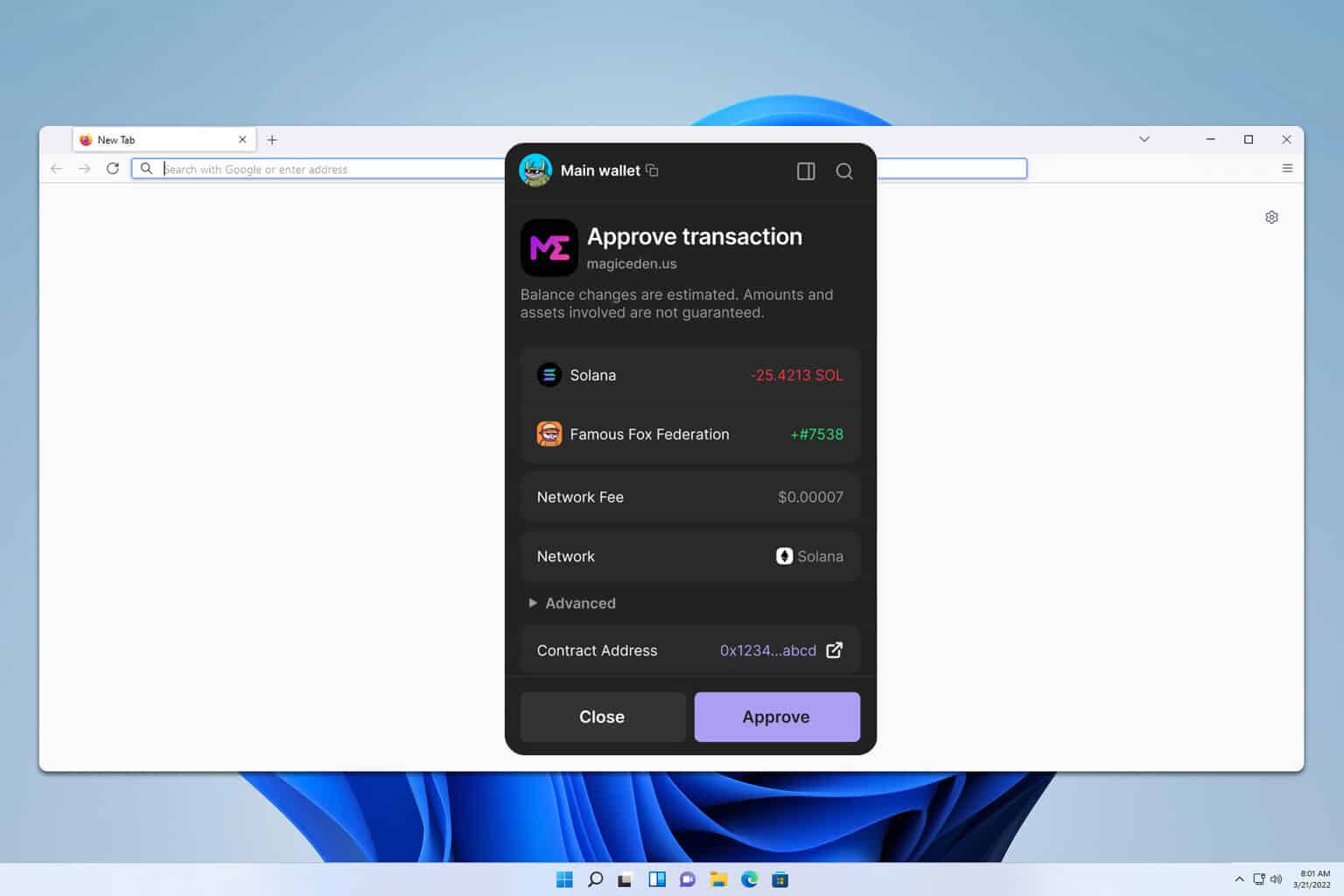
Phantom and the Practicalities of Daily Use
So here’s the practical bit: phantom is a browser wallet that many in the US Solana scene use because it blends clean UX with features like staking, token swaps, and NFT management. I installed it, imported a small test account, and poked around—some workflows are delightfully simple, others unintuitively buried. My advice: start with a fresh account and small transfers, watch how approvals look, and you’ll build confidence without risking much.
Security habits matter. Short sentence. Use a hardware wallet for large balances. Back up your seed phrase and, please, store it offline. Avoid copying the full phrase into cloud notes. These measures sound obvious, but trust me—people do the wrong thing and then say “I wish I’d…”
On the developer-facing side, the best browser wallets expose stable RPC handling and clear error messages when transactions fail. When a transaction times out you shouldn’t be left guessing why. It’s also worth testing how quickly the wallet refreshes token balances after a mint or transfer. Some refresh instantly; others lag—and that delay can freak you out if you’re new.
By the way (oh, and by the way…), watch for phishing envelopes disguised as legitimate dApps. A pop-up that asks you to “approve everything” is almost always malicious. Disconnect unused sites and periodically review connected apps from your wallet settings. Double-check domains; attackers clone interfaces faster than you can blink.
Personally, using a browser extension for NFTs made me appreciate two things: one, the instant visual feedback when a token appears in your collection; two, how quickly you can list or transfer without long wallet sync times. The UX wins here are real. But another truth: the convenience tempts sloppy habits. So I set rules for myself—small on-chain experiments, hardware for big amounts, and a second wallet for gas-heavy activity.
There are subtle trade-offs in wallet choice too. Some extensions prioritize minimalism, others pack features like built-in swaps or cross-chain bridges. Bridges are powerful but invite risk; bridges can and do get exploited. On one hand you want access to DeFi yields; on the other hand you must vet the smart contracts you’re interacting with. Initially I chased yields, then remembered that yield without safety is just stress.
Now for a quick troubleshooting tip—if your wallet extension doesn’t show an NFT or a token balance, try switching RPC endpoints, clear the extension cache, or re-add the token manually using its mint address. Often the problem is indexing, not loss of funds. Still, test first with tiny amounts so you don’t panic over an accidental oversight.
FAQ
Is a browser wallet safe for everyday Solana use?
Yes, for day-to-day activities it’s practical. Use small amounts, enable any available privacy and permission settings, and pair it with a hardware wallet for significant holdings. Your practices matter more than the brand in many cases.
What should I do if I get a suspicious approval request?
Stop. Disconnect the site. Check the URL and the exact permissions requested. If unsure, cancel and research. And if you used a seed phrase on a site—assume compromise and move funds to a new wallet immediately.
To wrap up—okay, not a tidy wrap-up, just a reality check—browser extension wallets like phantom are powerful tools that make Solana feel accessible and fast. They aren’t magic shields. I’m not 100% sure any one solution fits everyone, but with simple habits you can use them safely and enjoy the ecosystem. Something about this whole world feels equal parts promise and chaos… and I like that mess.